


A Unique Mastery in the World
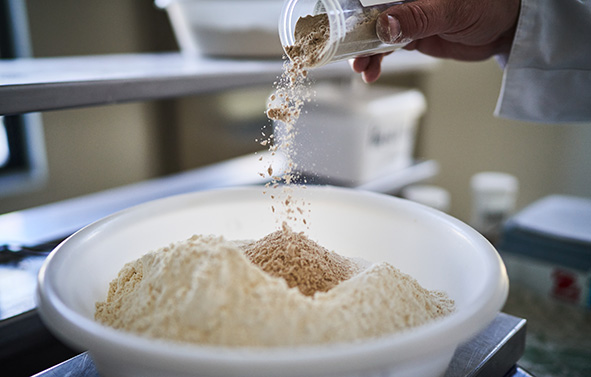
Philibert Savours is currently the only company to master the production of natural and traditional sourdough without laboratory-selected microorganisms.
Our sourdoughs are crafted from our patented Complex Microbial Ecosystem (CME), a living mother sourdough developed spontaneously, ensuring exceptional microbial biodiversity.
This process, the result of decades of research and experience, allows bakers and pastry chefs to benefit from sourdoughs with unmatched aromatic richness and controlled technological performance.
What is a sourdough?
Sourdough is an ingredient obtained through the natural fermentation of a mixture of flour and water, following an ancestral process based on the combined action of wild yeasts and lactic acid bacteria. A true living ecosystem, it transforms the dough in depth and contributes to the development of the bread’s flavor, texture, and identity.
In baking, sourdough provides a richer aromatic palette, improves crumb texture, and naturally extends product shelf life. It also allows longer fermentations and gentler kneading, resulting in breads with a pronounced character and an authentic signature.

Liquid sourdough: balancing performance and mastery of the living culture
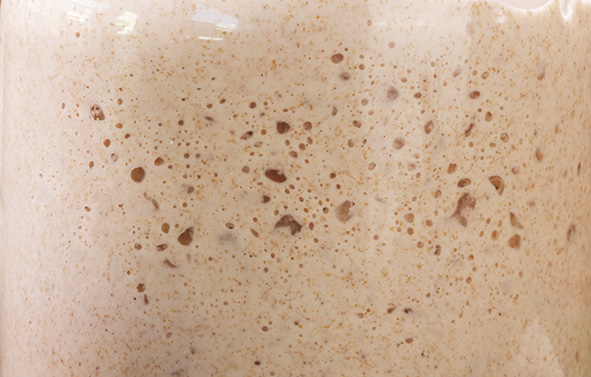
Derived from our EMC mother sourdough, our sourdoughs stand out for their aromatic richness and diversity, as well as for their technological and functional qualities.
Kept alive and active, our sourdoughs develop through carefully controlled long fermentation and maturation cycles that can last several weeks. These fermentations are conducted under strictly monitored temperature conditions and are regularly monitored for their fermentative and aromatic profiles. This expertise ensures sourdoughs that are characteristic, stable, and fully reproducible.
Thanks to this mastery of the fermentation process,we have developed an exclusive range of active sourdoughs, certified CRC® or organic, made from cereals cultivated according to good agricultural practices.
This rigorous approach allows us to offer natural, healthy, and high-performing sourdoughs, adapted to the technical requirements of both artisans and industrial bakers, while preserving the authenticity and richness of traditional sourdough.
Sourdough and fruit dehydration: a unique industrial expertise
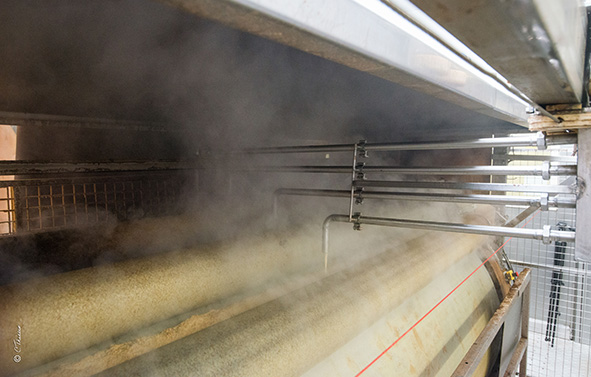
Beyond its expertise in producing sourdough, Philibert Savours has developed over 40 years of know-how in dehydration, applied to sourdoughs, fruit purées, and many other ingredients.
From our liquid sourdoughs, we have designed exclusive dehydration and roasting processes that transform an active sourdough into a dehydrated inactive sourdough while preserving its aromatic identity, fermentative characteristics, and sensory richness.
This expertise has led to the creation of the Terre d’Arômes range: natural dehydrated sourdoughs with distinctive aromatic profiles, developed to deliver flavor, color, and consistency to all your productions.
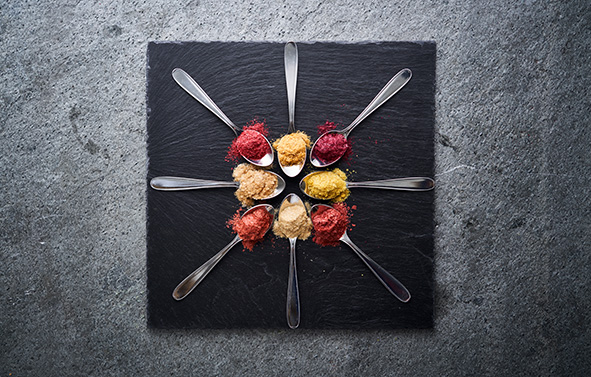
This expertise in dehydration also extends to fruit purées, which are transformed into concentrated powders through specific drying processes designed to preserve the very essence of the fruit. The Toofruit® range illustrates this know-how: intensely aromatic fruit powder concentrates, easy to measure and use, and suited to professional applications sensitive to moisture.
These dehydration techniques reflect the same commitment: to concentrate flavor and provide professionals with natural, high-performance, and reproducible solutions, adapted to modern production constraints.
Sourdough serving baking performance
In baking, our sourdough delivers numerous technological and sensory benefits:
- Improved crumb texture,
- Development of complex and natural aromas,
- Nutritional optimization of bread,
- Extended shelf life and improved freshness,
- Enhanced visual appeal through natural crust coloration
- Clean label formulation: simple, natural, and free from additives
Each Philibert Savours sourdough is designed to integrate easily into your baking processes, whether artisanal or industrial.
To discover our practical applications, visit the Recipes page.
Flour quality at the heart of our sourdough production
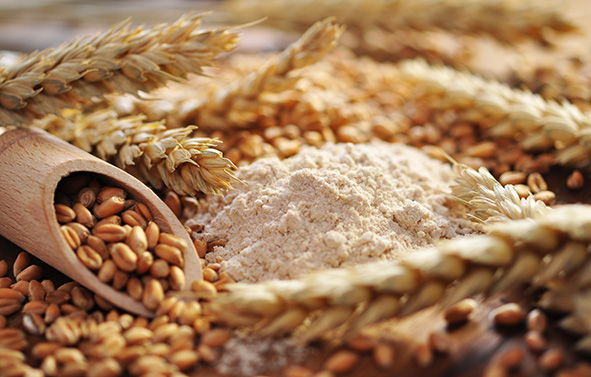
It all starts with flour, the key element in sourdough quality.
At Philibert Savours, we select CRC®, organic, and Origine France Garantie flours, meeting certified quality standards.
This commitment ensures microbial stability and aromatic cleanliness in our sourdoughs, while guaranteeing full traceability of raw materials.
Our partnerships with dedicated millers further strengthen our approach to a responsible and transparent supply chain.
Sourdough production: from flour to maturity
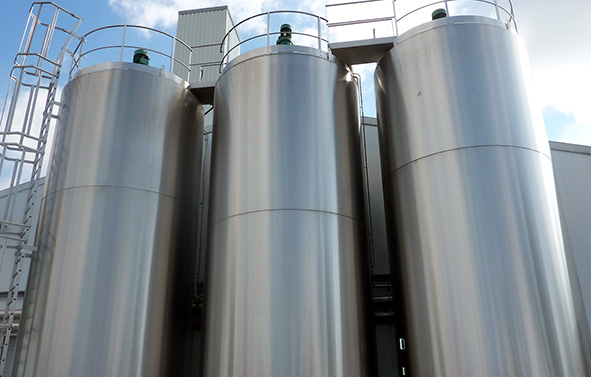
Our sourdoughs are made from carefully selected flours (CRC®, Organic, Origine France Garantie) in a fully controlled environment.
Each step of the production process follows a strict and carefully managed protocol:
- Mixing and inoculation using the mother sourdough,
- Controlled fermentations and adapted kneading,
- Slow maturation, lasting up to 20 days,
- Rigorous monitoring of aromatic and fermentation profiles.
This mastery of natural cycles gives our sourdoughs a unique taste identity, stable and infinitely.
Sourdough production serving artisans and industrial producers
Thanks to its unique expertise in natural sourdough production, Philibert Savours has been supporting bakers, pastry chefs, and industrial manufacturers for over 40 years in creating healthy, aromatic, and distinctive products.
To receive a technical datasheet, a sample, or integration advice, please contact our team via the Contact page.
FAQ - Sourdough Production (for professionals)
What is the difference between a homemade sourdough and a professional sourdough?
Homemade sourdough relies obtained from a mixture of flour and water, then maintained daily. It naturally evolves depending on its environment, the quality of the flour, and the baker’s expertise. Relying on spontaneous natural fermentation, it is usually carried out without precise control of key parameters such as temperature, hydration, fermentation time, or the frequency of feedings. This approach can result in significant variability in aroma, fermentative activity, and baking behavior, leading to inconsistent results from day to day.
In contrast, Philibert Savours professional sourdough comes from a carefully monitored microbial ecosystem. Fermentations are regulated, maturation cycles precisely defined, and production conditions strictly controlled. This mastery ensures microbial stability, consistent aromatic profiles, and reliable technological performance from batch to batch.
Professional sourdough thus provides artisans and industrial producers with:
- Reliable and reproducible fermentation activity,
- Stable and recognizable aromatic profiles,
- Simplified production processes,
- Consistent quality, independent of environmental variations.
It is not a question of opposing tradition and professionalization, but of safeguarding and sustaining the living ecosystem to offer natural sourdough capable of meeting modern production requirements.
Why is flour quality essential in sourdough production?
Flour provides the essential elements for fermentation, including nutrients, enzymes, and microorganisms (lactic acid bacteria and yeasts). Carefully selected, high-quality flour contributes to good fermentative activity, as well as to the consistency and typicity of the sourdough.
What is the difference between liquid sourdough and dehydrated sourdough?
Liquid sourdough is a living, active sourdough directly derived from the mother sourdough. It offers immediate fermentation activity and rich aromatic complexity. It is particularly valued for its ability to structure fermentation, improve crumb texture, and deliver a strong sensory signature. In return, it requires controlled storage conditions, and an adapted production process.
Dehydrated sourdough is made from liquid sourdough, transformed through specific dehydration and, in some cases, roasting processes. This step stabilizes the sourdough, extends its shelf life, , and makes it easier to use on a daily basis. Dehydrated sourdough primarily provides aromatic, gustatory, and visual qualities, with great consistency, without the constraints of managing a living sourdough.
The choice between liquid and dehydrated sourdough depends on production objectives:
- Liquid sourdough is preferred for active fermentation and full expression of the living culture, allowing the use of the designations “sourdough bread” and “French tradition bread”.
- Dehydrated sourdough is ideal for securing processes, simplifying operations, and providing flavor and color even at low dosage.